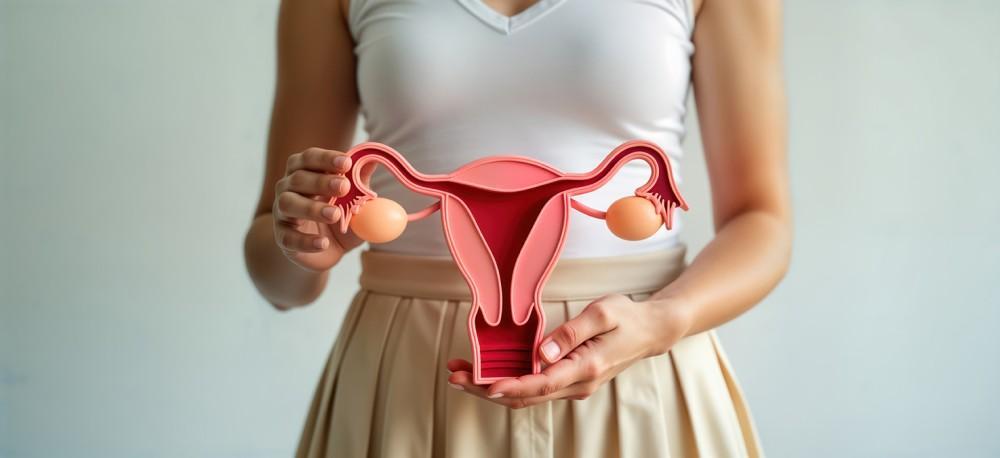
Widely considered the female hormone, estrogen isn’t just about sexual health and reproduction: It plays a far wider role in women’s health (and men’s health, too). As you approach menopause, the accompanying decline in estrogen can cause a surprising number of changes, including changes in your hair.
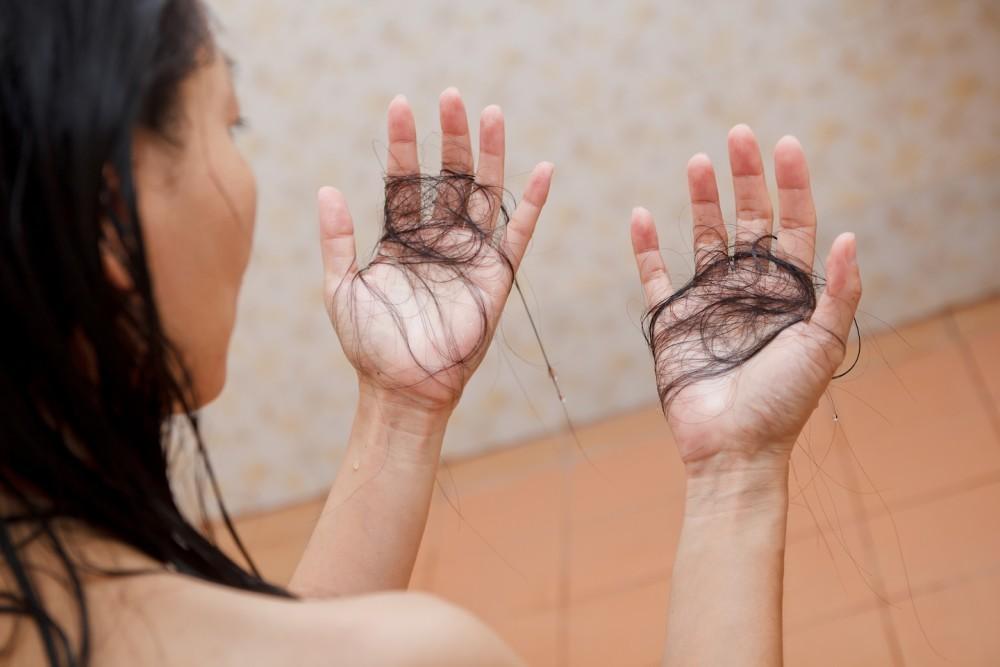
For many women, menopause brings noticeable hair thinning, changing not only their appearance, but their confidence level, as well. Fortunately, there are steps you can take to maintain your locks, and it’s not as difficult as you might think.
As a top-rated OB/GYN and wellness and longevity specialist in Santa Monica, California, Shamsah Amersi, MD, helps women understand the causes of thinning hair, providing personalized solutions to help you look and feel your best.
Here, learn how hormones affect hair growth and what we can do to help.
Hormones and your hair: What’s the link?
As noted, menopause-induced hair thinning is directly driven by a sharp decline in estrogen, as well as progesterone, another key female hormone. These hormones are naturally protective, keeping hair in its active growth phase for longer periods.
When hormone levels plummet during menopause, the hair growth cycle slows down, leading to increased shedding and an overall loss of hair density.
At the same time, as female hormones drop, the influence of male hormones (androgens) increases. A specific androgen called dihydrotestosterone (DHT) binds to hair follicles, triggering a process called follicular miniaturization — literally, shrunken hair follicles.
These tinier follicles produce hair that’s finer, shorter, and more fragile until some follicles stop producing hair completely. Because this thinning is the result of internal hormonal shifts, standard topical hair products rarely provide a complete solution.
Treatment options for healthier, fuller-looking hair
While hormones can definitely play a leading role in menopause-related hair thinning, these essential chemicals aren't the only possible factor you need to consider.
Thyroid conditions, iron deficiencies, nutritional changes, stress, certain medications, and even genetics can all play a role.
To get the results you’re looking for, you need to consider all the possible underlying causes. That starts with a comprehensive evaluation to review your symptoms, your medical history, your medications, your hair and scalp health, and even lifestyle factors that could affect your hair.
Address hormonal changes
Dr. Amersi specializes in helping patients manage hormonal imbalances, including the complex imbalances that occur during menopause.
For many women, hormone replacement therapy (HRT) forms the core of their hair-thinning regimen — but it’s not appropriate for everyone. During your evaluation, Dr. Amersi will discuss HRT and whether it’s a good choice for you.
Explore treatments that stimulate hair growth
Whether or not hormones are involved, other innovative therapies can help stimulate hair growth. Light therapy, platelet-rich plasma (PRP), and microneedling are all strategies focused on supporting follicular health and promoting hair growth in other ways.
Some women benefit from medications focused on specific types of hair loss.
Support hair growth with proper nutrition
Hair follicles need optimal levels of protein, iron, and other nutrients to produce strong, healthy hair. If you have a nutritional deficiency — even a mild one — improving your diet or using supplements may help.
Blood work helps us diagnose deficiencies and identify other possible causes to make sure your treatment plan is targeted to the factors affecting you personally.
Make gentle hair care part of your routine
When it comes to a comprehensive, holistic plan for better hair growth, your everyday habits play a role, too. Tight ponytails, frequent heat styling, harsh chemical treatments, and rough brushing can all contribute to hair damage and, in some cases, hair loss.
Using gentle styling techniques and products that pamper your hair and your scalp are essential. Managing stress may help, too.
Better health, better hair: Your long-term plan
Hair grows slowly, and visible improvements take time. While every treatment is different, they all start with the same step: scheduling an evaluation so we can customize your plan to your needs.
Don’t assume hair thinning is a natural part of aging. We can help restore your hair and your confidence. To learn more, request an appointment online or over the phone with Dr. Amersi at her Santa Monica, California, office today.